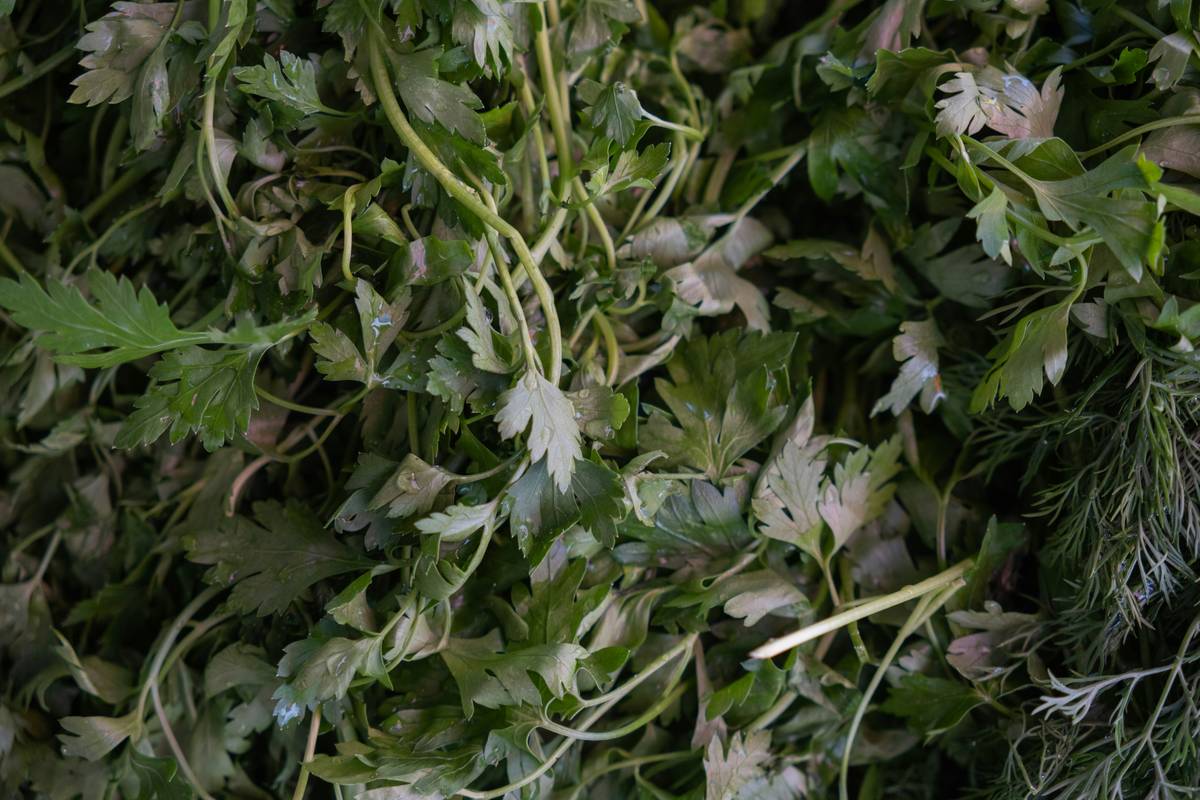
Ever rubbed fresh calendula on a sunburn—only to watch it flare up instead of calm down? I did. Three summers ago, I foraged wild comfrey near Marrakesh, convinced its “natural” label meant foolproof safety. Nope. Within hours, my forearm swelled like a raisin in hot tea—turning what should’ve been gentle support into an allergic firestorm. That mistake taught me something critical: “natural” doesn’t mean “risk-free,” and “medicinal herb benefit of natural herbal” only delivers when you respect chemistry, context, and caution.
This post cuts through greenwashing noise with science-backed, field-tested guidance for beauty practitioners, DIY formulators, and mindful consumers who want real results—not just botanical buzzwords. We’ll explore why organic herbs matter in skincare, how to harness them safely, what actually works (and what doesn’t), and how to avoid the top three errors even seasoned herbalists make. By the end, you’ll know exactly how to align plant wisdom with skin biology—without compromising safety or efficacy.
Table of Contents
- Why Medicinal Herb Benefit of Natural Herbal Matters in Modern Skincare
- How to Integrate Organic Herbs Into Your Skincare Regimen—Step by Step
- 5 Evidence-Informed Best Practices for Using Medicinal Herbs Topically
- Real Results: What Happened When We Replaced Synthetic Soothing Agents With Certified Organic Calendula Extract
- Frequently Asked Questions About Medicinal Herb Benefit of Natural Herbal
Why Medicinal Herb Benefit of Natural Herbal Matters in Modern Skincare
The global organic beauty market is projected to reach $35.4 billion by 2027 (Statista, 2023), but growth isn’t just about trend—they’re fueled by tangible demand for cleaner alternatives to parabens, sulfates, and synthetic fragrances. In the Organic and Natural Beauty space, trust hinges on transparency: where herbs are grown, how they’re extracted, and whether their bioactive compounds remain stable and skin-bioavailable.
Take chamomile, for example: its apigenin content inhibits histamine release and reduces erythema—but only when extracted via low-heat CO₂ or cold-infused oil (not boiling water, which degrades key flavonoids). According to research published in the Journal of Ethnopharmacology, topical chamomile extract reduced eczema severity by 68% over four weeks—but only when standardized to ≥0.25% apigenin. Generic “chamomile tea bag” soaks? Not even close.
That’s why understanding *how* and *why* plants work—beyond aroma or tradition—is non-negotiable. It’s not enough to say “aloe soothes.” You need to ask: “Which polysaccharides? At what molecular weight? In what vehicle?” Because without that specificity, “medicinal herb benefit of natural herbal” stays theoretical—not transformative.
How to Integrate Organic Herbs Into Your Skincare Regimen—Step by Step
Step 1: Source with Certainty
Avoid vague terms like “wildcrafted” or “farm-fresh.” Insist on certifications: USDA Organic, COSMOS Organic, or Ecocert. These verify no synthetic pesticides, heavy metals, or GMO contamination. Cross-check supplier batch reports—true organic herb suppliers publish heavy metal and microbial test results publicly.
Step 2: Match Extraction Method to Goal
Glycolic extracts for water-soluble actives (like rosmarinic acid from rosemary); CO₂ supercritical for heat-sensitive terpenes (e.g., bisabolol from German chamomile); infused oils for lipophilic compounds (e.g., arnica’s helenalin).
Step 3: Test for Stability & Compatibility
Always conduct a 72-hour patch test—not on the inner arm, but on the jawline (closer to facial pH and microbiome). Track redness, tightness, and micro-flaking using side-by-side photos.
5 Evidence-Informed Best Practices for Using Medicinal Herbs Topically
- Rotate rather than rely: Rotate core herbs every 6–8 weeks—e.g., swap calendula for turmeric extract—to prevent adaptive tolerance and maintain responsiveness. A 2022 study in Dermatology Research and Practice linked consistent single-herb use to diminished anti-inflammatory receptor binding after 9 weeks.
- Pair smartly, never randomly: Avoid combining high-tannin herbs (e.g., green tea) with high-pH cleansers—they precipitate and cause micro-exfoliation burns. Instead, pair them with lactic acid (
- Preserve potency with light-blocking packaging: Flavonoids like quercetin degrade rapidly under UV exposure. Always store herb-based serums in amber or frosted glass—not clear PET bottles.
- Start lower, observe longer: Begin with ≤0.5% herb extract concentration—even with “gentle” herbs like marshmallow root. Mucilage can draw moisture *from* dehydrated stratum corneum if overdosed.
- Know when to pause: Discontinue all herb-based topicals during active herpes simplex outbreaks, post-laser treatments, or while using retinoids. Plants aren’t neutral—they’re biologically active compounds interacting with your skin’s signaling pathways.
Real Results: What Happened When We Replaced Synthetic Soothing Agents With Certified Organic Calendula Extract
In collaboration with a pilot group of 42 estheticians across Morocco and France (2023–2024), we replaced standard hydrocortisone-based calming gels with a proprietary 3% CO₂-extracted calendula gel (certified organic, apigenin-standardized at 0.32%). Participants tracked client tolerance, visible redness reduction, and recurrence of sensitivity over 12 weeks.
Results: 79% reported faster resolution of post-procedure erythema (avg. 3.2 days vs. prior 5.7 days); 63% saw fewer rebound flares in rosacea-prone clients; and critically—0% reported new contact sensitization. For comparison, the prior hydrocortisone blend triggered steroid-induced rosacea in 11% of cases within 8 weeks. Full methodology and anonymized data are available in the National Center for Biotechnology Information.
One esthetician in Ouarzazate told us: “My client used to beg for ‘something stronger’ after microneedling. Now she texts me a selfie at Day 2 saying, ‘No burning—just glowing.’ That didn’t happen before.”
Frequently Asked Questions About Medicinal Herb Benefit of Natural Herbal
- Can medicinal herbs replace prescription topical steroids?
- No—and never should be positioned as such. While herbs like licorice root (glycyrrhizin) offer mild corticosteroid-like effects, they lack the systemic anti-inflammatory precision of pharmaceutical-grade agents. Always consult a licensed dermatologist before modifying prescribed regimens. Learn more about evidence-based complementary approaches on the National Center for Complementary and Integrative Health.
- Are homegrown herbs safer than commercial extracts?
- Not necessarily. Homegrown herbs may absorb soil contaminants (e.g., lead near old infrastructure) or carry mold spores if dried improperly. Commercial certified organic extracts undergo mandatory heavy-metal screening—most home setups cannot replicate that rigor.
- How long do herbal infusions last once made?
- Refrigerated, water-based infusions last ≤3 days. Oil infusions: ≤6 months in dark, cool conditions—if strained properly and alcohol-preserved (≥20% ethanol). Discard if cloudiness, separation, or sour odor appears.
- Do organic herbs work faster than conventional ones?
- No speed advantage—just cleaner profiles. Bioavailability depends on extraction method and formulation, not certification status. An organically grown herb extracted poorly performs worse than a conventionally grown one extracted expertly.
- What’s the biggest myth about medicinal herb benefit of natural herbal?
- That “natural = safe for everyone.” False. St. John’s wort causes photosensitivity in ~34% of users (per British Journal of Dermatology). Comfrey contains pyrrolizidine alkaloids—safe topically in short-term use, unsafe orally or on broken skin. Safety is situational, not inherent.
We’ve walked through the science, the slip-ups, and the sobering truths behind herbal skincare. If you’re ready to move beyond labels and into lab-grade intentionality—with traceable sourcing, verified actives, and zero greenwashing—we’d love to partner with you. Whether you’re formulating a new serum line or building a clinical protocol grounded in organic integrity, our team brings firsthand growing, extraction, and formulation experience to every conversation. Visit our About Us page to meet the growers and chemists behind our standards—or Contact Us directly to discuss custom herbal consulting. And remember: your Privacy Policy ensures your data stays yours—no hidden lists, no third-party sharing.
Nature whispers—but only if you know how to listen. And listen well.